Before heating season
Check or replace accessible filters as directed, clear supply and return vents, test the thermostat early and schedule help for unusual noises, odors or short cycling.
Seasonal HVAC guidance · Southern Minnesota
Practical heating and cooling guidance for homes and working properties—built to help you notice changes early and know when professional service makes sense.
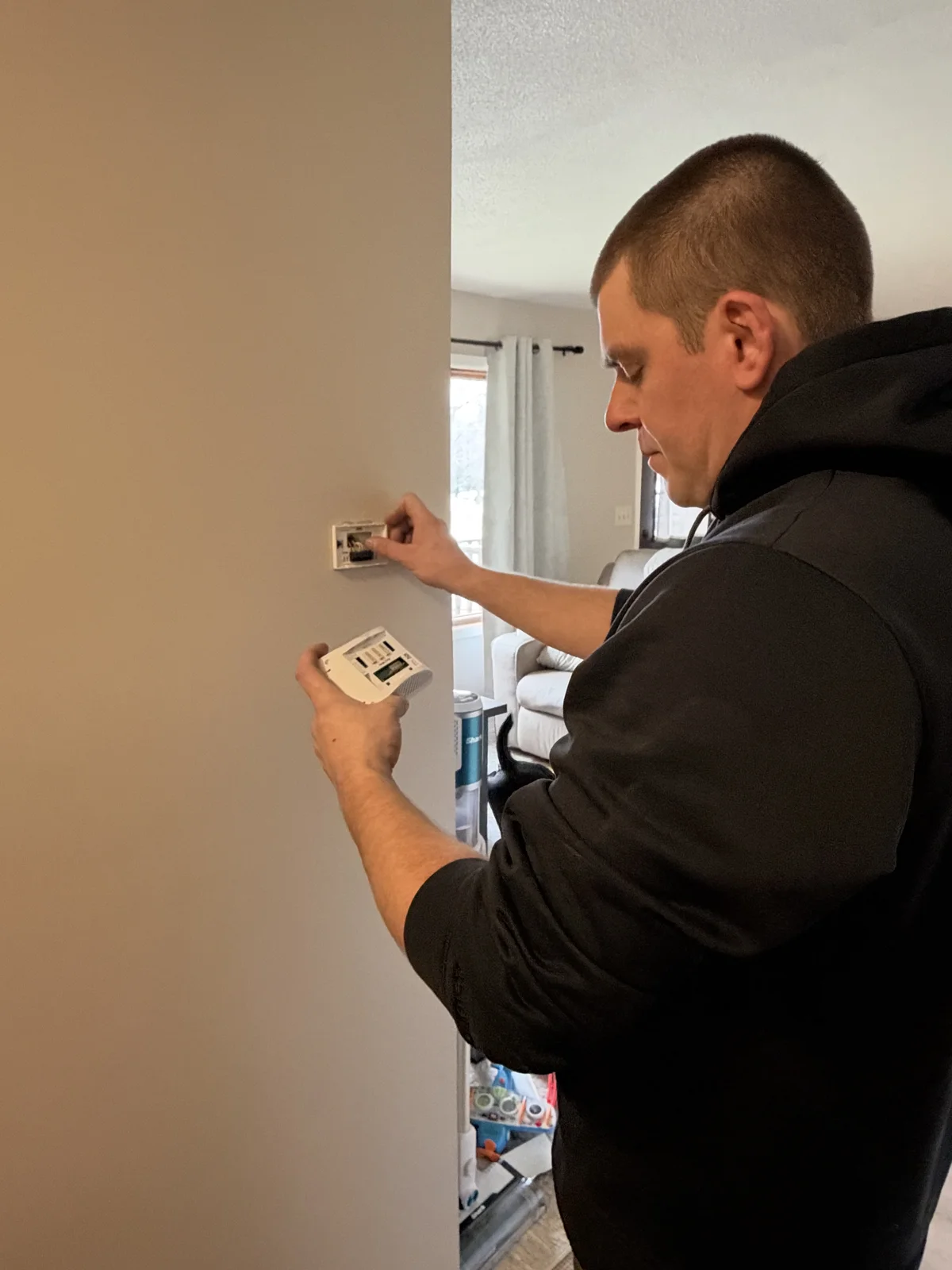
Seasonal checklist
Follow equipment-manufacturer instructions and never open, bypass or service components you are not trained to handle.
Check or replace accessible filters as directed, clear supply and return vents, test the thermostat early and schedule help for unusual noises, odors or short cycling.
Keep outdoor intake and exhaust openings clear of snow, leave equipment access open and make sure carbon-monoxide alarms are maintained according to their instructions.
Remove loose debris around the outdoor unit without opening it, run cooling before peak heat and watch for drainage, airflow or temperature changes.
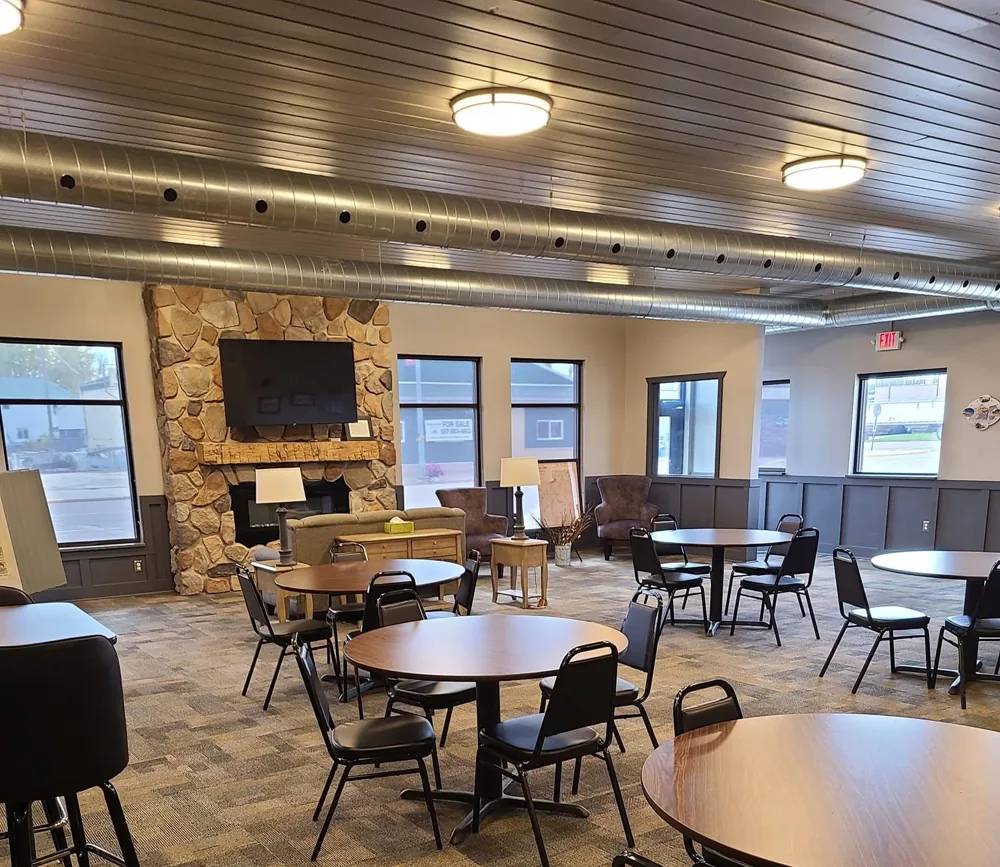
Commercial planning
Document equipment locations, model information, prior service dates and comfort complaints. Note tenant or staff patterns, required access and priority areas before a service conversation.
More seasonal guidance
Upcoming guides will cover common maintenance questions, equipment decisions and commercial planning. In the meantime, use the seasonal checklists above to prepare for your next service conversation.
A practical Southern Minnesota guide to timing, observable system changes and safe homeowner checks.
Coming soon
A balanced decision guide covering reliability, repair history, comfort, property needs and total cost considerations.
Coming soon
A property-focused checklist for equipment records, access, operational impact and repeatable service history.
Coming soon
When to call
Stop using equipment and seek appropriate emergency help for unsafe conditions. For performance concerns, contact an HVAC professional when the system cannot maintain temperature, repeatedly stops and starts, leaks, trips protection or makes a new sound.
Before the period of heaviest use is a practical target—typically before sustained heating or cooling demand. Exact timing depends on the equipment and property.
Use the equipment and filter manufacturer’s instructions. Filter type, pets, dust, construction and system runtime can all change the interval.
Keep visible intake and exhaust openings unobstructed, but do not dismantle equipment. If you are unsure which openings serve the system, contact a qualified professional.
Future updates will cover seasonal preparation, maintenance planning, equipment records and company updates.
Residential & Commercial Heating & Cooling.